Bhutan travel guide
Bhutanese Culture and Etiquette
Dzongs, driglam namzha, national dress and the small courtesies that make a real difference to your visit.
Overview
What you should know
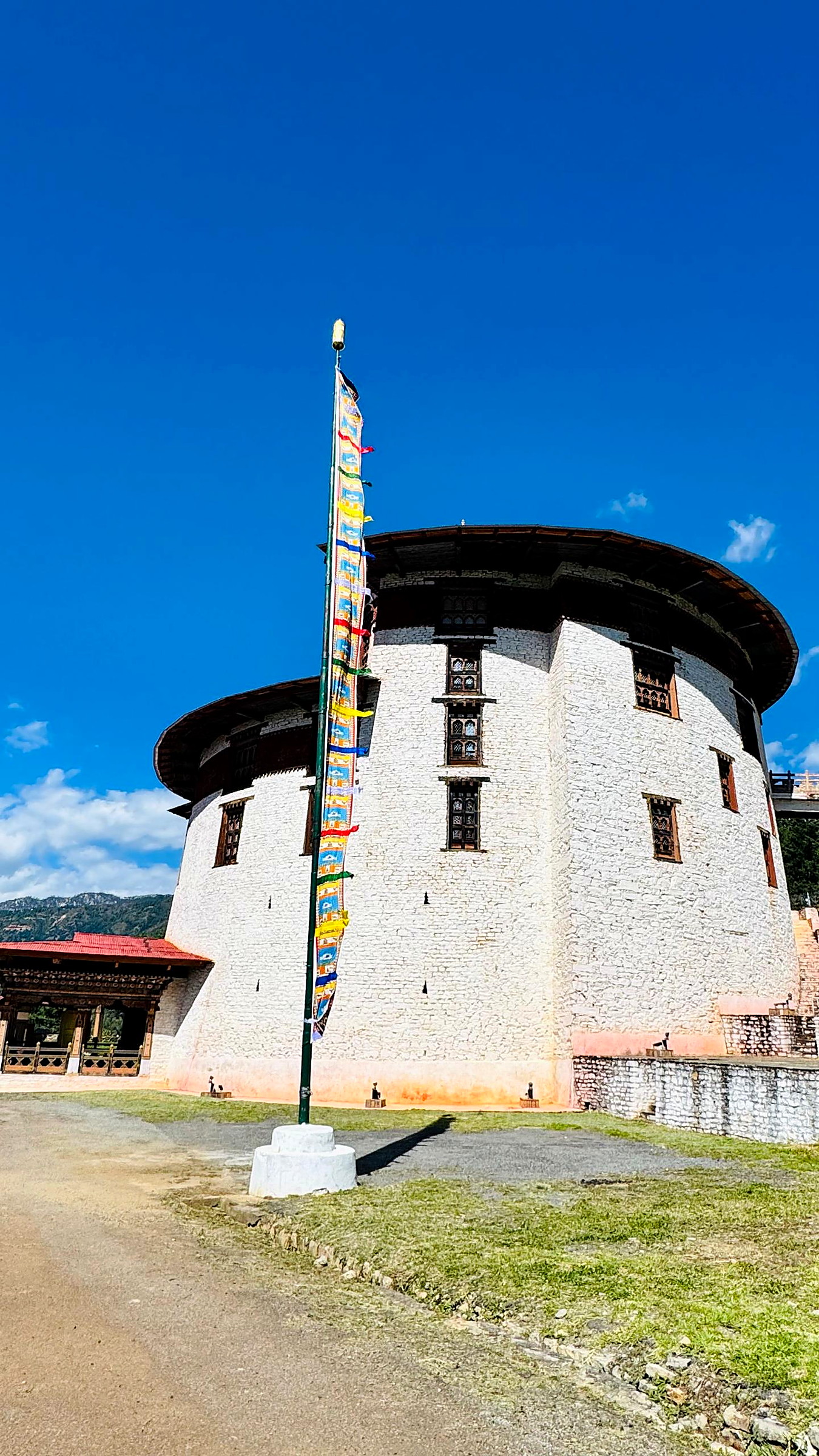
Bhutan is the only Vajrayana Buddhist kingdom left in the world, and its culture is lived rather than performed. People wear the gho and kira daily, dzongs still house both monks and administration, and festivals are religious events, not shows.
A little awareness goes a long way. Your guide will help, but these are the things guests most often want to know before arriving.
In temples and dzongs
- Remove shoes and hats before entering a shrine
- Walk clockwise around chortens, prayer wheels and altars
- Ask before photographing; interiors are usually not permitted
- Do not point at statues or step over religious objects
Everyday courtesies
- Kuzuzangpo la is the polite greeting; la is a mark of respect
- Accept tea and food with both hands when offered
- Public displays of affection are best kept private
- Ask before photographing people, especially monks and elders
Gross National Happiness
Bhutan measures progress by Gross National Happiness, which weighs culture, environment, good governance and fair development alongside the economy. It explains many things you will notice: the forest cover, the traditional architecture, the calm.
Festivals
Tshechus are masked dance festivals held in dzong courtyards on dates set by the lunar calendar. They are acts of devotion. Dress well, sit where your guide suggests, and keep space clear for the dancers and for local families.
Quick facts
- Religion
- Vajrayana Buddhism
- Language
- Dzongkha; English widely spoken
- National dress
- Gho for men, kira for women
- Greeting
- Kuzuzangpo la